

Does Blowing Your Nose Make Cold Symptoms Worse?
Blowing your nose can provide temporary relief, but excessive force may irritate nasal passages and worsen symptoms like congestion. While it’s important to clear mucus, gentle blowing is recommended to avoid further irritation. If you’re experiencing persistent cold symptoms, it’s essential to seek professional advice. Visit Dr. Dinh Tran, MD, at Family Health Care for personalized treatment and professional guidance on managing your cold symptoms. For more information, contact us or request an appointment online. We are conveniently located at 1507 NE 150th St, Suite A, Shoreline, WA 98155.
Schedule your initial appointment to determine the best subscription for your needs; an active subscription is required for ongoing care.
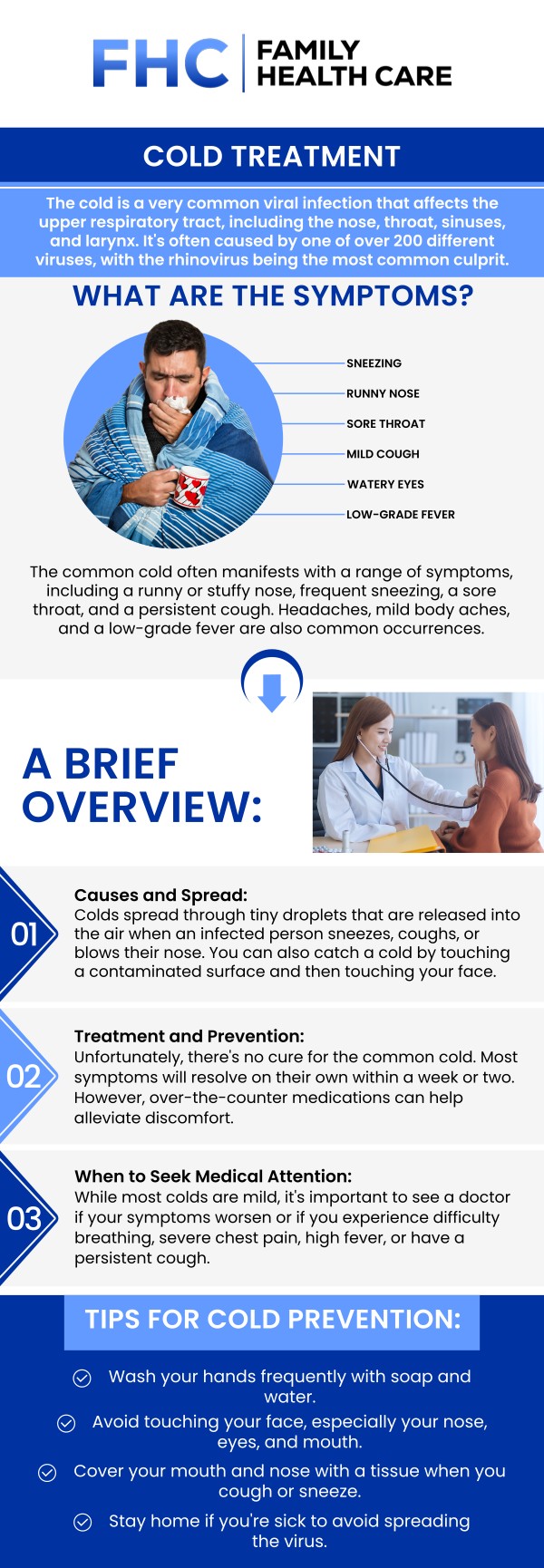
Table of Contents:
Can blowing your nose too forcefully worsen cold symptoms and cause additional discomfort?
How can improper nose-blowing techniques contribute to sinus pressure or earaches during a cold?
Is it better to gently blow your nose or avoid it altogether when dealing with a cold?
What are some alternative methods to clear congestion without worsening cold symptoms, other than blowing your nose?
How does Dr. Dinh Tran, MD at Family Health Care, address common cold concerns, like the impact of blowing your nose on your symptoms?
Nasal congestion is a common and uncomfortable symptom during colds, allergies, and sinus infections. While blowing your nose can help relieve stuffiness, doing it too forcefully may actually make things worse. Blowing your nose too hard can push mucus back into your sinuses, increasing irritation and possibly leading to sinus infections. It can also damage the sensitive blood vessels inside your nostrils, resulting in nosebleeds or soreness around your nose. Aggressive nose blowing may even cause swelling of the nasal tissues, making congestion feel worse.
To protect your nasal passages and promote healing, our providers recommend blowing your nose gently, one nostril at a time, using soft tissues. Saline nasal sprays or rinses can help loosen mucus, making it easier to clear your nose without excessive force.
If you or a family member experiences persistent discomfort, frequent nosebleeds, or worsening symptoms, don’t hesitate to schedule an appointment with our Family Health Care team. We’re here to ensure your family’s respiratory health and comfort all year round.
When you have a cold, your nasal passages and sinuses can become congested with mucus. Blowing your nose too hard, or pinching one nostril too tightly while blowing, increases pressure inside your nasal passages. This can push mucus back up into your sinus cavities or Eustachian tubes (which connect your nose to your middle ear), leading to increased sinus pressure, discomfort, and even ear pain.
We often see patients—both children and adults—who experience prolonged sinus congestion or earaches because of improper nose-blowing habits. In some cases, this pressure can also lead to inflammation or infection in the sinuses or middle ear, making symptoms worse and recovery longer.
Yes! Gently blowing your nose can help clear mucus from your nasal passages, making it easier to breathe. We recommend blowing one nostril at a time and doing so gently—this helps prevent irritation and avoids pushing mucus deeper into the sinuses, which can sometimes cause further discomfort or even lead to a sinus infection.
If you avoid nose blowing completely, mucus can build up and make you feel more congested. Instead, it’s usually best to clear your nose when necessary, but always use gentle pressure. Blowing too hard or too frequently can result in minor nosebleeds or ear discomfort due to increased pressure.
Family Health Care’s Recommendation
For most people, gentle nose blowing is safe and can provide relief from cold symptoms. If you or your child have persistent pain, frequent nosebleeds, or symptoms that are getting worse, please contact Family Health Care. Our providers are here to support the health and comfort of your entire family—don’t hesitate to reach out with any concerns about cold symptoms or congestion.
Nasal congestion from a cold can be especially uncomfortable for both kids and adults. Our team encourages safe, gentle methods to relieve your symptoms and support your family’s comfort and recovery.
Instead of frequent or forceful nose blowing—which can sometimes lead to irritation or push mucus further into the sinuses—consider trying these doctor-recommended, family-friendly alternatives:
• Saline Nasal Sprays or Rinses: Over-the-counter saline sprays are safe for most ages and can help moisten nasal passages and loosen mucus. For older children and adults, a neti pot or nasal irrigation bottle can also be effective. Always use sterile or distilled water to prevent infection.
• Steam Inhalation: Breathing in steam can help thin mucus and soothe nasal passages. Take a warm shower, or create a steam tent by leaning over a bowl of hot water with a towel over your head. Supervise young children closely with this method.
• Stay Hydrated: Drinking plenty of fluids helps keep mucus thin and easier to clear. Warm drinks like tea or broth can provide comfort and added hydration for the whole family.
• Use a Humidifier: Adding moisture to your home’s air with a humidifier can prevent nasal passages from drying out and help ease congestion, especially during dry winter months.
• Warm Compresses: Applying a warm, damp washcloth over the nose and cheeks can help relieve sinus pressure and loosen mucus.
• Elevate the Head: When resting or sleeping, propping your head up with extra pillows can help mucus drain and make breathing easier.
These gentle approaches are suitable for most members of the family and can offer relief while you recover. However, if symptoms last more than 10 days, worsen, or are accompanied by high fever, ear pain, or thick green mucus, schedule a visit with your Family Health Care provider. We’re here to help your whole family breathe easier and feel better.
At Family Health Care, Dr. Dinh Tran, MD, addresses common cold concerns with a commitment to patient-centered care and evidence-based medicine. Recognizing that patients often have questions about everyday issues—such as whether blowing your nose can impact cold symptoms—Dr. Tran takes time to provide clear, practical guidance. He explains that while gentle nose blowing helps relieve nasal congestion, aggressive or forceful blowing can sometimes push mucus into the sinuses, potentially causing discomfort or increasing sinus pressure. Dr. Tran advises patients to blow their noses gently, one nostril at a time, in order to minimize irritation and reduce the risk of complications.
The Family Health Care team emphasizes that the common cold is usually self-limiting, but recommends rest, proper hydration, and good hygiene practices to support recovery and prevent spreading illness to others. Dr. Tran and his colleagues encourage patients to reach out if symptoms worsen or persist longer than expected, so that underlying issues or secondary infections can be ruled out. This patient-focused approach reflects Family Health Care’s mission to empower families in the community with the knowledge and support they need to manage minor illnesses at home—while ensuring prompt, attentive care is available whenever it’s needed. For more information, contact us or request an appointment online. We are conveniently located at 1507 NE 150th St, Suite A, Shoreline, WA 98155. We serve patients from Shoreline WA, Seattle WA, Edmonds WA, Woodinville WA, Bothell WA, Lynnwood WA, Kirkland WA, Bellevue WA, and surrounding areas.
Check Out Our 5 Star Reviews


Additional Services You May Need
• Weight Loss Management
• Diabetes
• Hypertension
• Geriatric
• Personalized Care
• Primary Care
• Musculoskeletal Injuries
• Preventative Care
• Mental Health
• Heart Disease
• Congestive Heart Failure
• Same Day Sick Visits
• Physical Exams
• Chronic Care Management
• Wellness Visits
• Vitamin B12 Injections
• Oral GLP-1 for Weight Loss
• Same Day Primary Care Visits
• Laboratory
• Wegovy HD

Additional Services You May Need
• Weight Loss Management
• Diabetes
• Hypertension
• Geriatric
• Personalized Care
• Primary Care
• Musculoskeletal Injuries
• Preventative Care
• Mental Health
• Heart Disease
• Congestive Heart Failure
• Same Day Sick Visits
• Physical Exams
• Chronic Care Management
• Wellness Visits
• Acute Care Visits
• Women’s Health
• Depression
• ADHD
• Asthma
• COPD
• Sleep Apnea
• Gastrointestinal Disorders
• Migraine
• Ailments and Procedures
• Internal Medicine
• Concierge Medicine
• Vitamin B12 Injections
• IV Hydration Therapy
• Auto Accident Injury
• Pre Operation Clearance Physicals
• Integrative Medical Weight Loss
• Oral GLP-1 for Weight Loss
• X Rays
• Minor Procedures
• Telehealth
• Same Day Primary Care Visits
• Laboratory
• Wegovy HD


 Send Text
 How May I Help You?