

When Should You Seek Professional Mental Health Support?
If you’re experiencing persistent feelings of sadness, anxiety, or overwhelming stress that interfere with daily life, it may be time to seek professional mental health support. Early intervention can help address underlying issues and provide the tools for better emotional well-being. Consult Dr. Dinh Tran, MD, for guidance and personalized care to support your mental health journey. For more information, contact us or request an appointment online. We are conveniently located at 1507 NE 150th St, Suite A, Shoreline, WA 98155.
Schedule your initial appointment to determine the best subscription for your needs; an active subscription is required for ongoing care.
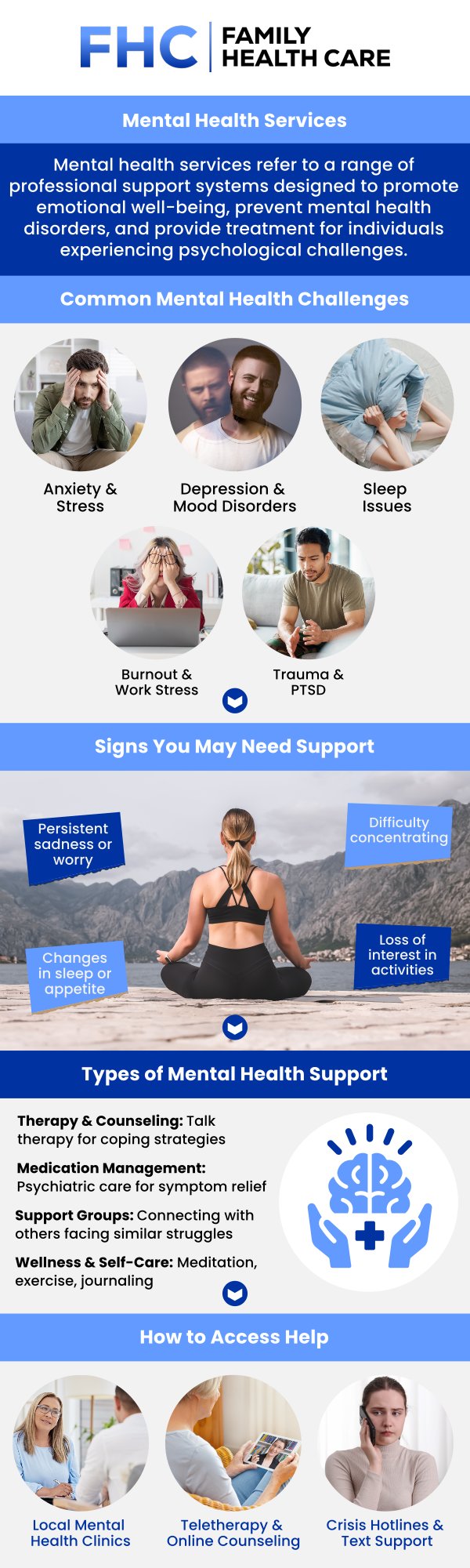
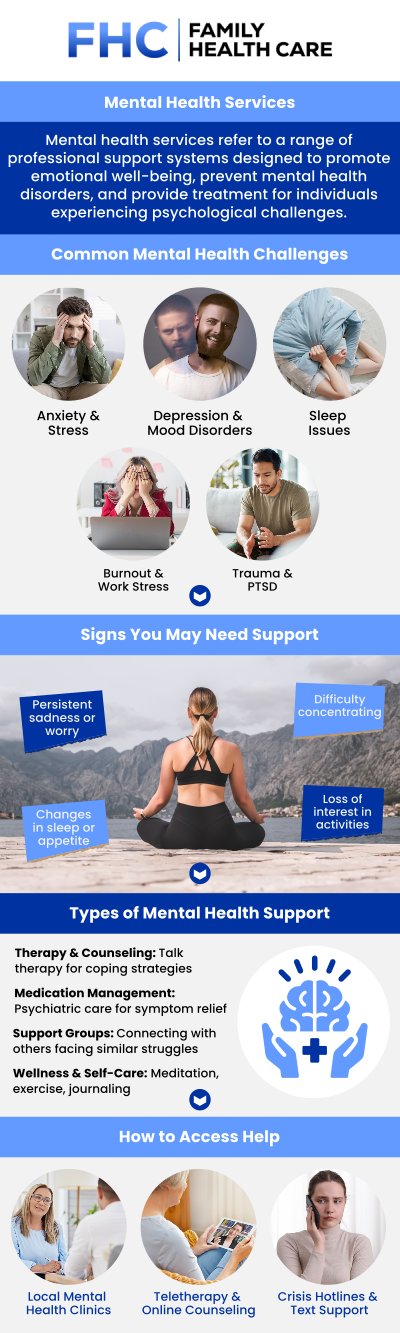
Table of Contents:
What are the common signs that someone may be struggling with mental health issues?
How can mental health impact physical health and overall well-being?
What role does therapy play in managing mental health conditions?
How can lifestyle changes, such as exercise and nutrition, improve mental health?
Family Health Care: Dr. Dinh Tran, MD, Explains the Right Time to Seek Mental Health Support
Recognizing when someone may be struggling with their mental health allows families to offer timely support and seek appropriate help from professionals.
Some common signs that a family member might be experiencing mental health difficulties include noticeable changes in mood, such as persistent sadness, irritability, or frequent mood swings.
Behavioral changes can also be a signal. These might include trouble concentrating, making decisions, or remembering things. You may also observe significant changes in sleep patterns—such as trouble falling asleep, staying asleep, or sleeping much more than usual—as well as changes in eating habits or unexplained weight fluctuations.
Emotional symptoms are often present, such as excessive worry, feelings of hopelessness, or expressing guilt or worthlessness.
Physical symptoms, like unexplained aches and pains, ongoing fatigue, or neglect of personal hygiene, can also be associated with mental health challenges.
As your trusted family healthcare provider, we encourage you to reach out if you notice any combination of these signs in yourself or a loved one. Early intervention can make a significant difference. Our compassionate team is here to provide support, resources, and professional care to help your family achieve optimal mental and physical health.
Mental and physical health are deeply interconnected. Challenges in mental well-being—such as anxiety, depression, or chronic stress—can have significant effects on your body and overall quality of life. For example, long-term stress can cause the body to release higher levels of stress hormones like cortisol, which may increase blood pressure, weaken the immune system, and raise the risk of developing chronic conditions such as heart disease and diabetes.
Mental health also plays a crucial role in everyday habits that support physical well-being. When someone is struggling with depression or anxiety, it can be harder to maintain a regular exercise routine, eat balanced meals, or get enough restful sleep. Poor sleep and nutrition can, in turn, make both physical and mental health issues worse, creating a cycle that can be difficult to break. Additionally, mental health challenges can sometimes make it harder to recognize physical symptoms or seek timely medical care, which can affect how well chronic illnesses are managed.
The effects of mental health go beyond just physical health—they can impact relationships, work, and daily life. Emotional distress can lower motivation and self-esteem, making it more challenging to enjoy activities or maintain social connections. Over time, this can lead to feelings of isolation or hopelessness.
Therapy is an essential part of our comprehensive approach to supporting the mental health and well-being of individuals and families. Our providers understand that life’s challenges—such as stress, anxiety, depression, or relationship issues—can affect every member of the family. By offering a safe and compassionate environment, our therapists help patients of all ages explore their thoughts, feelings, and behaviors in a supportive setting.
Through evidence-based therapeutic approaches like cognitive-behavioral therapy, counseling, and family therapy, we work collaboratively with our patients to address the unique factors contributing to their mental health concerns. Our therapists help individuals and families identify unhelpful patterns, develop healthier coping strategies, and set realistic goals for recovery and growth.
Therapy can also assist patients in processing trauma, managing daily stress, and improving communication within families and relationships. For many, therapy works alongside other treatments—such as medication management provided by our medical team—to create a holistic care plan that addresses both emotional and physical health.
Lifestyle changes—especially those related to exercise and nutrition—can have a major impact on your family’s mental and physical well-being. Research shows that regular physical activity doesn’t just support heart and bone health; it also helps reduce symptoms of depression and anxiety. Exercise stimulates the release of endorphins, often called “feel-good” hormones, and helps regulate stress levels, improve sleep quality, and boost self-esteem in children, teens, and adults alike.
Nutrition is just as important to your family’s mental health. Eating regular, balanced meals helps maintain stable blood sugar levels, which can reduce irritability and mood swings for both kids and adults.
Our providers work with patients of all ages to create personalized plans that incorporate healthy eating and physical activity into daily routines. These positive lifestyle changes not only support mental health but also enhance a sense of control and accomplishment—especially important during stressful times.
At Family Health Care, we believe that true wellness means caring for every aspect of your family’s health—body, mind, and spirit. Our team, led by Dr. Dinh Tran, MD, is dedicated to supporting not only your physical well-being but also the mental and emotional health of every family member.
Understanding when to seek mental health support is essential for both individuals and families. Mental health concerns can often begin subtly and develop over time, so it’s important to recognize the early signs and know when professional help can make a difference.
Dr. Tran and our Family Health Care providers encourage you to watch for changes in mood, behavior, or daily routines. Persistent feelings of sadness, anxiety, irritability, or hopelessness lasting more than two weeks may signal an underlying mental health concern. Other warning signs include disrupted sleep, changes in appetite, low energy, difficulty concentrating, or trouble completing everyday tasks.
If you notice that emotional distress is affecting your relationships, work, or your child’s performance in school, it’s time to reach out. Be especially mindful of significant withdrawal from social activities, increased use of substances like alcohol or drugs, or any mention of self-harm or suicide—these situations require prompt professional attention.
Seeking mental health support isn’t only for times of crisis. Even if symptoms seem mild or temporary, getting guidance from a Family Health Care provider can provide valuable support, coping strategies, and peace of mind. For more information, contact us or request an appointment online. We are conveniently located at 1507 NE 150th St, Suite A, Shoreline, WA 98155. We serve patients from Shoreline WA, Seattle WA, Edmonds WA, Woodinville WA, Bothell WA, Lynnwood WA, Kirkland WA, Bellevue WA, and surrounding areas.
Check Out Our 5 Star Reviews


Additional Services You May Need
• Weight Loss Management
• Diabetes
• Hypertension
• Geriatric
• Personalized Care
• Primary Care
• Musculoskeletal Injuries
• Preventative Care
• Mental Health
• Heart Disease
• Congestive Heart Failure
• Same Day Sick Visits
• Physical Exams
• Chronic Care Management
• Wellness Visits
• Vitamin B12 Injections
• Oral GLP-1 for Weight Loss
• Same Day Primary Care Visits
• Laboratory
• Wegovy HD

Additional Services You May Need
• Weight Loss Management
• Diabetes
• Hypertension
• Geriatric
• Personalized Care
• Primary Care
• Musculoskeletal Injuries
• Preventative Care
• Mental Health
• Heart Disease
• Congestive Heart Failure
• Same Day Sick Visits
• Physical Exams
• Chronic Care Management
• Wellness Visits
• Acute Care Visits
• Women’s Health
• Depression
• ADHD
• Asthma
• COPD
• Sleep Apnea
• Gastrointestinal Disorders
• Migraine
• Ailments and Procedures
• Internal Medicine
• Concierge Medicine
• Vitamin B12 Injections
• IV Hydration Therapy
• Auto Accident Injury
• Pre Operation Clearance Physicals
• Integrative Medical Weight Loss
• Oral GLP-1 for Weight Loss
• X Rays
• Minor Procedures
• Telehealth
• Same Day Primary Care Visits
• Laboratory
• Wegovy HD


 Send Text
 How May I Help You?