

Congestive Heart Failure Treatment Doctor in Shoreline, WA
Managing your cardiovascular health is a lifelong journey that requires compassion and personalized care. At Family Healthcare, Dr. Dinh Tran, MD provides comprehensive support for patients navigating the complexities of cardiac wellness. Whether you are seeking a diagnosis or looking for advanced management strategies, our clinic offers a dedicated environment where Shoreline residents can receive high-standard medical attention tailored to their unique physiological needs. For more information, contact us or request an appointment online. We are conveniently located at 1507 NE 150th St, Suite A, Shoreline, WA 98155.
Schedule your initial appointment to determine the best subscription for your needs; an active subscription is required for ongoing care.
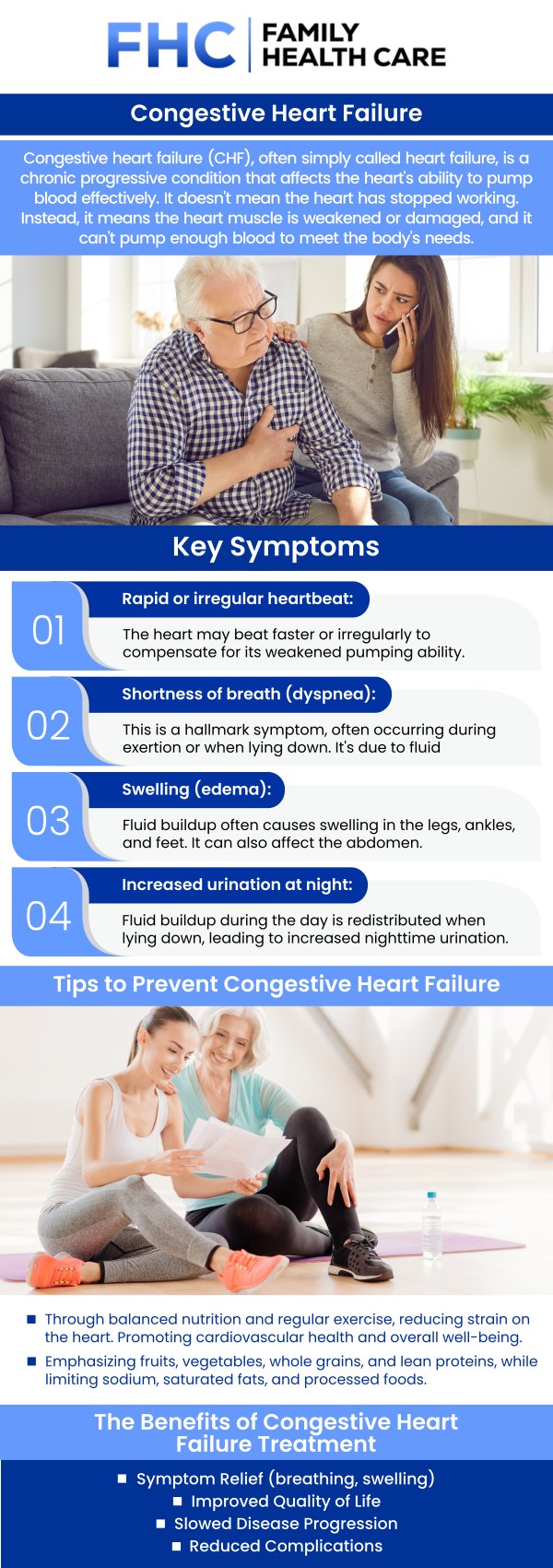
Table of Contents:
What are the common symptoms of congestive heart failure?
How is congestive heart failure diagnosed?
Can lifestyle changes help improve symptoms of congestive heart failure?
How can congestive heart failure be prevented or managed over time?
Why choose the personalized cardiac approach of Dr. Dinh Tran, MD?
Congestive heart failure (CHF) is a chronic condition where the heart muscle doesn’t pump blood as efficiently as it should. It is important to understand that “failure” does not mean the heart has stopped working, but rather that it is struggling to meet the body’s demands for oxygen and nutrients. Recognizing the symptoms early can be life-saving.
One of the most frequent signs is shortness of breath, known medically as dyspnea. This often occurs during physical exertion, but in more advanced stages, it can happen while resting. Many patients notice they have difficulty breathing when lying flat and may find themselves needing to prop their head up with multiple pillows at night to breathe comfortably.
Another hallmark symptom is persistent fatigue and weakness. Because the heart is unable to pump enough oxygen-rich blood to the muscles and organs, the body tires easily. You might find that tasks which were once simple, like climbing a flight of stairs or carrying groceries, now leave you feeling exhausted.
Edema, or swelling, is also a primary indicator. When the heart’s pumping power diminishes, blood can back up in the veins, causing fluid to leak into the surrounding tissues. This most commonly manifests as swelling in the legs, ankles, and feet. In some cases, fluid can also accumulate in the abdomen (ascites) or the lungs, leading to a persistent cough or wheezing that may produce white or pink blood-tinged phlegm.
Lastly, rapid or irregular heartbeats (palpitations) and a sudden increase in weight—often several pounds in a single day due to fluid retention—are symptoms that require immediate medical consultation.
Diagnosing CHF is a multi-step process that begins with a thorough clinical evaluation. During your visit, your physician will review your medical history, including any history of high blood pressure, coronary artery disease, or diabetes, and perform a physical exam.
Listening to the heart and lungs is a critical first step. A doctor will check for the sound of fluid in the lungs or abnormal heart sounds (murmurs) that might suggest valve problems. Beyond the physical exam, several diagnostic tests are utilized:
• Blood Tests: These are used to check kidney and thyroid function and to look for a specific marker called B-type natriuretic peptide (BNP). BNP levels typically rise when the heart is under stress or failing.
• Electrocardiogram (ECG/EKG): This test records the electrical activity of your heart and can identify heart rhythm problems or damage from a previous heart attack.
• Echocardiogram: This is perhaps the most vital tool. It uses sound waves to produce images of the heart in motion. It allows the doctor to see the size and shape of the heart and measure the ejection fraction—a percentage that indicates how well the heart pumps with each beat.
• Chest X-ray: This helps visualize the size of the heart and whether there is fluid buildup around the lungs.
• Stress Tests: These measure how your heart responds to physical exertion, often performed on a treadmill, to see if blood flow is restricted during activity.
Absolutely. While medication is a cornerstone of treatment, lifestyle modifications are often what allow patients to reclaim their quality of life. The goal of these changes is to reduce the workload on the heart and prevent fluid accumulation.
Sodium restriction is arguably the most critical change. Salt causes the body to retain water. By significantly lowering sodium intake, patients can reduce swelling and lower blood pressure, which prevents the heart from having to work harder than necessary.
Fluid management is another key factor. In some stages of heart failure, your doctor may recommend limiting the total amount of liquids you drink per day to prevent fluid overload.
Heart-healthy dieting involves moving toward a diet rich in fruits, vegetables, whole grains, and lean proteins—similar to the Mediterranean diet. This helps manage weight and cholesterol, reducing the strain on the cardiovascular system.
Consistent monitoring is vital. Patients are often encouraged to weigh themselves daily at the same time. A sudden jump in weight (e.g., 2-3 pounds in a day or 5 pounds in a week) is the earliest warning sign of fluid retention, allowing for medical intervention before symptoms become severe.
Activity levels are also important. While it may seem counterintuitive to exercise a “failing” heart, supervised, moderate physical activity strengthens the cardiovascular system. Always consult with your provider before starting an exercise regimen to ensure it is safe for your specific condition.
Long-term management of CHF focuses on addressing the underlying causes and preventing the progression of the disease. If you have underlying conditions like hypertension (high blood pressure) or coronary artery disease, managing those effectively is the best way to prevent heart failure from developing.
Management involves strict adherence to prescribed medications. These may include:
• ACE Inhibitors/ARBs: To relax blood vessels and lower blood pressure.
• Beta-Blockers: To slow the heart rate and reduce the heart’s workload.
• Diuretics: Often called “water pills,” these help the kidneys eliminate excess fluid from the body.
Quitting smoking is non-negotiable for heart health. Tobacco smoke damages blood vessels, raises blood pressure, and reduces the amount of oxygen in the blood, all of which accelerate heart damage. Similarly, limiting or eliminating alcohol consumption is vital, as alcohol can weaken the heart muscle further.
Stress management also plays a role. Chronic stress keeps the body in a state of high alert, increasing heart rate and blood pressure. Utilizing mindfulness, breathing exercises, or counseling can provide significant benefits to your heart’s longevity.
When it comes to managing a condition as sensitive as heart failure, you deserve a provider who looks beyond the charts. Dr. Dinh Tran, MD takes a “whole-person” approach to cardiovascular care, ensuring that every patient understands the “why” behind their treatment plan. By combining advanced diagnostic insights with a warm, patient-centered philosophy, he helps individuals navigate the dietary, emotional, and physical shifts required to live a full life with CHF. His focus is not just on extending years, but on improving the daily vitality of every patient through meticulous medication management and personalized wellness coaching.
Living with heart failure requires a dedicated medical partner and a proactive mindset. By recognizing symptoms early and committing to a structured management plan, you can significantly improve your long-term outlook. For a compassionate approach to your cardiovascular health, visit Family Healthcare Shoreline for comprehensive care and support. For more information, contact us or request an appointment online. We are conveniently located at 1507 NE 150th St, Suite A, Shoreline, WA 98155. We serve patients from Shoreline WA, Seattle WA, Edmonds WA, Woodinville WA, Bothell WA, Lynnwood WA, Kirkland WA, Bellevue WA, and surrounding areas.
Check Out Our 5 Star Reviews


Additional Services You May Need
• Weight Loss Management
• Diabetes
• Hypertension
• Geriatric
• Personalized Care
• Primary Care
• Musculoskeletal Injuries
• Preventative Care
• Mental Health
• Heart Disease
• Congestive Heart Failure
• Same Day Sick Visits
• Physical Exams
• Chronic Care Management
• Wellness Visits
• Vitamin B12 Injections
• Oral GLP-1 for Weight Loss
• Same Day Primary Care Visits
• Laboratory
• Wegovy HD

Additional Services You May Need
• Weight Loss Management
• Diabetes
• Hypertension
• Geriatric
• Personalized Care
• Primary Care
• Musculoskeletal Injuries
• Preventative Care
• Mental Health
• Heart Disease
• Congestive Heart Failure
• Same Day Sick Visits
• Physical Exams
• Chronic Care Management
• Wellness Visits
• Acute Care Visits
• Women’s Health
• Depression
• ADHD
• Asthma
• COPD
• Sleep Apnea
• Gastrointestinal Disorders
• Migraine
• Ailments and Procedures
• Internal Medicine
• Concierge Medicine
• Vitamin B12 Injections
• IV Hydration Therapy
• Auto Accident Injury
• Pre Operation Clearance Physicals
• Integrative Medical Weight Loss
• Oral GLP-1 for Weight Loss
• X Rays
• Minor Procedures
• Telehealth
• Same Day Primary Care Visits
• Laboratory
• Wegovy HD


 Send Text
 How May I Help You?