

What is the Difference Between HDL Cholesterol and LDL Cholesterol?
At Family Health Care, Dr. Dinh Tran, MD explains how HDL and LDL cholesterol affect your heart differently. By focusing on reducing LDL and increasing HDL through diet and lifestyle changes, you can improve your overall cardiovascular health. For more information, contact us or request an appointment online. We are conveniently located at 1507 NE 150th St, Suite A, Shoreline, WA 98155.
Schedule your initial appointment to determine the best subscription for your needs; an active subscription is required for ongoing care.
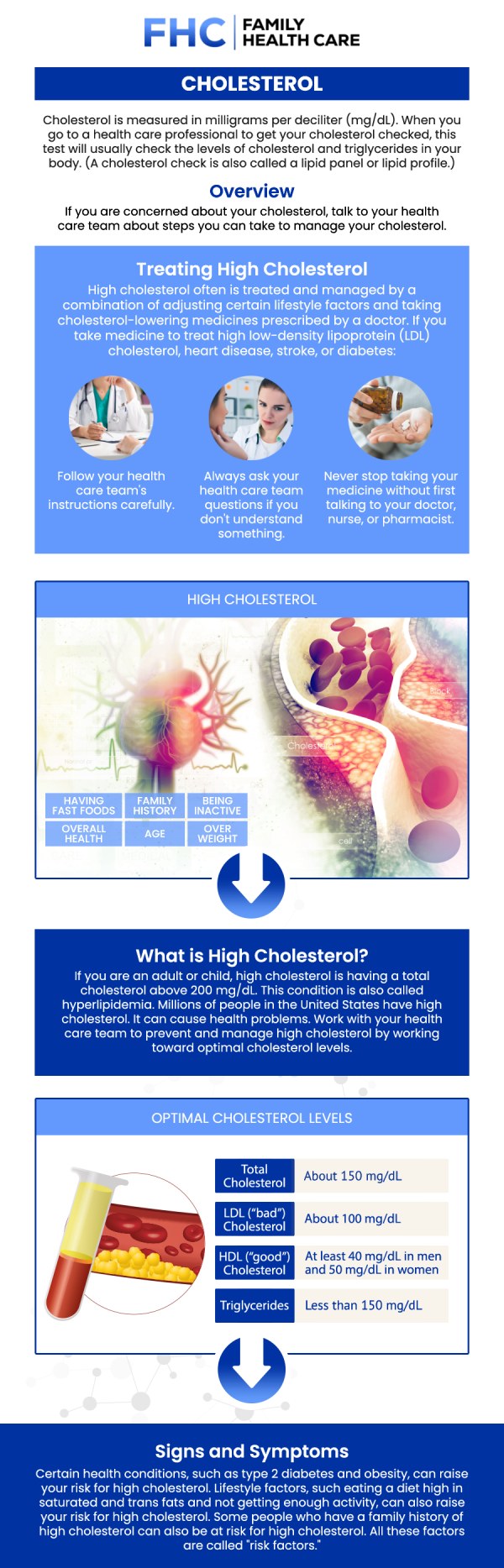
Table of Contents:
What are HDL and LDL cholesterol, and how do they differ?
Why is HDL cholesterol considered “good” and LDL cholesterol considered “bad”?
What role does HDL cholesterol play in heart health?
How does LDL cholesterol affect your cardiovascular system?
How can Family Health Care in Shoreline help manage your cholesterol?
At Family Health Care, we believe that keeping your heart healthy is a cornerstone of lifelong wellness for you and your loved ones. A key part of heart health involves understanding cholesterol—specifically, the roles of HDL and LDL.
Cholesterol is a waxy, fat-like substance your body needs to build cells and produce hormones. However, because cholesterol doesn’t dissolve in blood, it’s carried throughout your body by particles called lipoproteins.
There are two main types of these particles:
• HDL (High-Density Lipoprotein): Often known as “good” cholesterol, HDL’s job is to collect excess cholesterol from your bloodstream and tissues and carry it back to your liver, where it can be processed and removed. This helps prevent cholesterol from building up in your arteries, lowering your risk of heart disease and stroke.
• LDL (Low-Density Lipoprotein): This is commonly referred to as “bad” cholesterol. LDL transports cholesterol from your liver to the rest of your body, but when there’s too much LDL in your blood, it can deposit cholesterol on your artery walls. Over time, this buildup forms plaques that narrow your arteries, increasing the risk of heart attacks and strokes.
At Family Health Care, we routinely check your cholesterol levels as part of our preventive care services. By monitoring your HDL and LDL, we can help you and your family make informed choices about diet, exercise, and, if needed, medication to keep your heart healthy.
Our Goal: To help you maintain higher levels of HDL and lower levels of LDL, reducing your risk of cardiovascular disease and supporting the health of your entire family.
At Family Health Care, we are committed to helping you and your loved ones maintain lifelong heart health. A key part of this is understanding the different types of cholesterol in your body—specifically, HDL (“good”) and LDL (“bad”) cholesterol.
• HDL Cholesterol (The “Good” Protector): HDL cholesterol, or high-density lipoprotein cholesterol, is often called the “good” cholesterol because it acts as a heart protector. HDL travels through your bloodstream, picking up excess cholesterol from the walls of blood vessels and carrying it back to the liver, where it can be broken down and removed from the body. This process helps prevent cholesterol from building up in your arteries, reducing the risk of conditions like heart attacks and strokes.
• LDL Cholesterol (The “Bad” Culprit): In contrast, LDL cholesterol, or low-density lipoprotein cholesterol, is known as the “bad” cholesterol. High levels of LDL can lead to cholesterol deposits on artery walls, forming plaques that narrow and harden the arteries. This buildup restricts blood flow and raises your risk for serious heart problems, such as coronary artery disease and stroke.
We encourage regular cholesterol screenings for all adults and children at risk, as part of our comprehensive family medical care. By monitoring your cholesterol levels, we can help you take steps to increase your HDL (“good”) cholesterol and lower your LDL (“bad”) cholesterol, supporting a healthier heart for every member of your family.
HDL cholesterol helps protect your heart by removing excess cholesterol from your arteries and transporting it back to the liver, where it can be broken down and eliminated. This process reduces the risk of cholesterol buildup in your blood vessels, which can otherwise lead to plaque formation, atherosclerosis, heart attacks, and strokes.
Having a healthy level of HDL cholesterol helps keep your blood vessels clear and flexible, ensuring good blood flow throughout your body. In addition to this, HDL has anti-inflammatory and antioxidant properties that protect the lining of your blood vessels and lower inflammation, further supporting heart and vascular health.
At Family Health Care, we believe prevention is key. That’s why we routinely check cholesterol levels—including HDL—during wellness visits for patients of all ages. If you or a family member has low HDL, our providers can work with you to develop a personalized plan focused on:
• Regular physical activity: We’ll help you find fun and achievable ways to get moving as a family.
• A balanced diet: Our team can offer nutrition advice tailored to your needs, including foods that support healthy HDL levels.
• Lifestyle choices: We provide resources and support for quitting smoking and maintaining a healthy weight.
• Ongoing monitoring: We keep track of your progress and offer encouragement every step of the way.
One important aspect of maintaining good health for every family member is keeping cholesterol levels in check, especially LDL cholesterol, often referred to as “bad” cholesterol.
LDL stands for low-density lipoprotein, a type of cholesterol carried in your blood. When LDL cholesterol levels get too high, it can build up on the walls of your blood vessels, forming plaque. This build-up narrows and stiffens your arteries—a condition called atherosclerosis—which can restrict blood flow and reduce the oxygen and nutrients reaching your heart and brain.
Plaque build-up increases the risk of serious health problems, like heart attacks and strokes. If a plaque ruptures, it can cause a blood clot that blocks blood flow in the heart or brain, leading to life-threatening emergencies. That’s why high LDL cholesterol is considered a major risk factor for heart disease and other cardiovascular problems.
We believe prevention is the best medicine. At Family Health Care, we offer cholesterol screening and personalized risk assessments for every member of your family—from children to grandparents. Our providers work closely with you to develop a plan that includes healthy lifestyle choices, such as diet and exercise, and, if necessary, safe and effective medications to lower LDL cholesterol.
At Family Health Care, located in Shoreline, WA, Dr. Dinh Tran, MD, and Dr. Nguyen, MD, provide personalized primary care designed to manage complex cardiovascular concerns like HDL and LDL cholesterol levels. Their approach focuses on long-term wellness through integrated services, including chronic disease management for hypertension and heart disease, as well as specialized medical weight loss programs.
The team utilizes advanced testing and proactive preventative care to help patients maintain a healthy balance between “good” and “bad” cholesterol. Whether through concierge medicine or routine wellness visits, Dr. Tran and his staff prioritize patient engagement, creating tailored plans that may include nutritional guidance and IV hydration therapy to support your heart health at every stage of life.
By taking proactive steps together, we can help keep your arteries healthy and reduce the risk of heart disease and stroke—so you and your loved ones can enjoy healthier, happier lives. Schedule a cholesterol check-up for your family at Family Health Care today! For more information, contact us or request an appointment online. We are conveniently located at 1507 NE 150th St, Suite A, Shoreline, WA 98155. We serve patients from Shoreline WA, Seattle WA, Edmonds WA, Woodinville WA, Bothell WA, Lynnwood WA, Kirkland WA, Bellevue WA, and surrounding areas.
Check Out Our 5 Star Reviews


Additional Services You May Need
• Weight Loss Management
• Diabetes
• Hypertension
• Geriatric
• Personalized Care
• Primary Care
• Musculoskeletal Injuries
• Preventative Care
• Mental Health
• Heart Disease
• Congestive Heart Failure
• Same Day Sick Visits
• Physical Exams
• Chronic Care Management
• Wellness Visits
• Vitamin B12 Injections
• Oral GLP-1 for Weight Loss
• Same Day Primary Care Visits
• Laboratory
• Wegovy HD

Additional Services You May Need
• Weight Loss Management
• Diabetes
• Hypertension
• Geriatric
• Personalized Care
• Primary Care
• Musculoskeletal Injuries
• Preventative Care
• Mental Health
• Heart Disease
• Congestive Heart Failure
• Same Day Sick Visits
• Physical Exams
• Chronic Care Management
• Wellness Visits
• Acute Care Visits
• Women’s Health
• Depression
• ADHD
• Asthma
• COPD
• Sleep Apnea
• Gastrointestinal Disorders
• Migraine
• Ailments and Procedures
• Internal Medicine
• Concierge Medicine
• Vitamin B12 Injections
• IV Hydration Therapy
• Auto Accident Injury
• Pre Operation Clearance Physicals
• Integrative Medical Weight Loss
• Oral GLP-1 for Weight Loss
• X Rays
• Minor Procedures
• Telehealth
• Same Day Primary Care Visits
• Laboratory
• Wegovy HD


 Send Text
 How May I Help You?