

Diabetes Management: Tips for Lowering Blood Sugar
Diabetes management at Family Health Care, with Dr. Dinh Tran, MD, focuses on effective strategies for lowering blood sugar levels and maintaining overall health. Through personalized care, patients receive guidance on diet, exercise, and medication management to achieve better blood sugar control. Working with Dr. Tran ensures a tailored approach, helping individuals manage diabetes and reduce the risk of complications. For more information, contact us or request an appointment online. We are conveniently located at 1507 NE 150th St, Suite A, Shoreline, WA 98155.
Schedule your initial appointment to determine the best subscription for your needs; an active subscription is required for ongoing care.
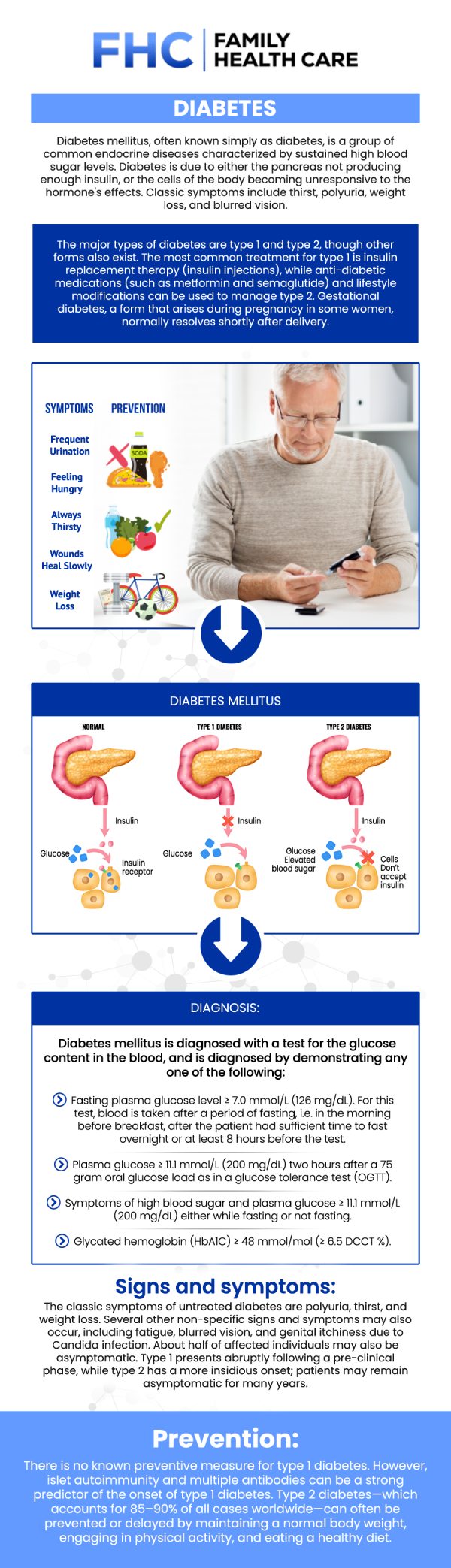
Table of Contents:
How does diet impact blood sugar management in diabetes?
How often should I monitor my blood sugar when managing diabetes?
What are some lifestyle changes I can make to help control my blood sugar?
How can I prevent complications related to high blood sugar?
Lowering Blood Sugar: Diabetes Management Tips from Dr. Dinh Tran, MD at Family Health Care
At Family Health Care, we understand that diet is a cornerstone of effective blood sugar management, especially for our patients living with diabetes. When you eat foods containing carbohydrates—such as bread, rice, pasta, fruit, and sweets—your body breaks them down into glucose, which enters your bloodstream. For those with diabetes, the body may not produce enough insulin, or it may not use insulin effectively, making blood sugar regulation more challenging.
Our medical team at Family Health Care recommends choosing foods with a low glycemic index, such as whole grains, legumes, and most vegetables. These foods are digested and absorbed more slowly, resulting in a gradual rise in blood sugar instead of rapid spikes. In contrast, foods high in refined sugars and simple carbohydrates—like sugary drinks and white bread—can cause sharp increases in blood glucose and are best consumed in moderation.
We also emphasize the importance of portion control and meal timing. Eating large meals or skipping meals can make blood sugar harder to manage. Our providers can help you develop a meal plan that spaces meals evenly throughout the day and incorporates a healthy balance of carbohydrates, lean proteins, and healthy fats to promote more stable blood glucose levels.
Fiber-rich foods, such as fruits, vegetables, and whole grains, are also encouraged at Family Health Care. These not only slow down sugar absorption but also support digestive health. Additionally, staying hydrated and limiting processed foods, saturated fats, and added sugars can further support your overall blood sugar management.
At Family Health Care, we believe personalized care is key. Our healthcare providers and registered dietitians work closely with patients to develop individualized eating plans that fit their unique nutritional needs, lifestyle, and medication regimens.
At Family Health Care, we know that monitoring your blood sugar is a crucial part of managing diabetes and maintaining your overall well-being. How often you should check your blood sugar depends on several factors, including your type of diabetes, your treatment plan, and your specific health needs.
For our patients with type 1 diabetes, frequent monitoring is usually necessary—often before and after meals, before and after exercise, and sometimes at night. This can mean checking your blood sugar four to ten times a day, especially if you are using insulin. Our Family Health Care team will work closely with you to develop a monitoring schedule that fits your lifestyle and keeps you feeling your best.
If you have type 2 diabetes, your monitoring needs may vary. If you’re managing your diabetes with lifestyle changes or oral medications and your blood sugar is stable, we may recommend you check your levels less frequently, such as once a day or a few times a week. However, if you’re using insulin or if your blood sugar is difficult to control, we may ask you to monitor more often, such as before meals and at bedtime.
At Family Health Care, your health comes first. We will help you determine the best monitoring schedule that fits your unique needs and family routines. We encourage you to keep track of your readings and share them with us at your appointments or through our patient portal. This helps us make any necessary adjustments to your treatment, ensuring you and your loved ones stay healthy.
Remember, certain situations—like illness, changes in medication, increased physical activity, or symptoms of high or low blood sugar—may require you to check your blood sugar more often. Our Family Health Care providers are always here to support you and answer any questions about blood sugar monitoring and diabetes management. Always follow the advice of your Family Health Care professional for the best results.
At Family Health Care, we understand that managing blood sugar levels is an important part of maintaining your health — whether you’re living with diabetes, prediabetes, or simply aiming to prevent future complications. Our team is here to help you and your loved ones make positive lifestyle changes that support your overall well-being.
One of the most effective steps you can take is focusing on a balanced diet. We encourage our patients to choose whole grains, lean proteins, healthy fats, and plenty of vegetables, while limiting sugary foods and drinks. Eating regular meals and snacks, rather than skipping meals or overeating, can help keep your blood sugar levels steady throughout the day. Our providers at Family Health Care can work with you to develop a personalized meal plan that fits your family’s needs and preferences.
Physical activity is another key factor in managing blood sugar. We recommend aiming for at least 150 minutes of moderate exercise each week, such as brisk walking, cycling, or swimming. Exercise helps your body use insulin more effectively and supports cardiovascular health. Before starting any new exercise routine, our healthcare team is here to guide you and make sure your activity plan is safe and appropriate for you.
Managing stress plays a big role in blood sugar control as well. Stress hormones can cause blood sugar to rise, so finding healthy ways to relax is important. Our team can suggest stress-reducing techniques such as deep breathing, mindfulness, yoga, or simply making time for hobbies you enjoy. We also emphasize the importance of getting enough high-quality sleep, as poor sleep can make it harder to manage blood sugar.
At Family Health Care, we help you monitor your blood sugar as recommended, so you can learn how different foods and activities affect your levels. If you smoke, we’re here to support your journey toward quitting, which not only improves blood sugar control but also reduces your risk of other serious health issues.
Most importantly, keeping regular appointments with your Family Health Care provider ensures you have the guidance, encouragement, and resources you need to stay on track. We’re committed to partnering with you and your family to promote healthy habits, prevent complications, and support your long-term well-being.
At Family Health Care, our goal is to help you and your loved ones prevent complications related to high blood sugar through comprehensive, personalized care. Maintaining optimal glucose control is essential, and our team is here to support you every step of the way.
• Regular Monitoring & Medication Management: We encourage all our patients to regularly monitor their blood sugar levels. This helps you and your Family Health Care provider recognize patterns and make necessary adjustments to your lifestyle or medications. Adhering to your prescribed medications—whether insulin or oral agents—is crucial for preventing dangerous spikes or drops in your blood sugar.
• Healthy Eating Habits: Our team at Family Health Care emphasizes the importance of a balanced diet. We can help you plan meals rich in fiber, such as whole grains, vegetables, and legumes, while limiting foods high in refined sugars and saturated fats. Practicing portion control and sticking to regular meal times can further stabilize your glucose levels.
• Physical Activity & Hydration: Physical activity is a key component of managing blood sugar. We recommend regular exercise, such as brisk walking or swimming, which can improve your body’s sensitivity to insulin. Additionally, staying hydrated by drinking plenty of water throughout the day is vital, as dehydration can elevate blood sugar levels.
• Stress Management: Family Health Care offers resources for managing stress, including relaxation techniques, mindfulness, and counseling services. Since stress hormones can increase blood sugar, taking steps to manage stress can make a significant difference in your overall health.
• Routine Check-Ups & Early Detection: Routine medical check-ups are essential for catching potential complications early. At Family Health Care, we provide comprehensive care including regular eye exams, kidney function tests, foot examinations, and monitoring of blood pressure and cholesterol. If you notice symptoms such as persistent thirst, frequent urination, blurred vision, or unexplained fatigue, please contact our office promptly.
Your Partners in Health
At Family Health Care, we believe that medication adherence, healthy lifestyle choices, stress management, and regular medical care are the keys to reducing your risk of complications from high blood sugar. We’re committed to working closely with you and your family to develop a care plan tailored to your individual needs and goals.
At Family Health Care, we believe that managing diabetes is a team effort—one that involves not just medical expertise, but also ongoing support for you and your loved ones. Dr. Dinh Tran, MD, and our dedicated team are committed to helping you achieve healthier blood sugar levels and a better quality of life.
Dr. Tran emphasizes that successful diabetes management starts with a balanced, nutritious diet. Our Family Health Care team can work with you to create personalized meal plans focused on whole grains, fresh vegetables, lean proteins, and healthy fats. By minimizing processed foods and sugary snacks, you can prevent dangerous blood sugar spikes and enjoy more stable energy throughout the day.
By combining healthy eating, physical activity, regular monitoring, medication adherence, stress management, and consistent medical care, Family Health Care empowers you to lower your blood sugar and live your healthiest life. For more information, contact us or request an appointment online. We are conveniently located at 1507 NE 150th St, Suite A, Shoreline, WA 98155. We serve patients from Shoreline WA, Seattle WA, Edmonds WA, Woodinville WA, Bothell WA, Lynnwood WA, Kirkland WA, Bellevue WA, and surrounding areas.
Check Out Our 5 Star Reviews


Additional Services You May Need
• Weight Loss Management
• Diabetes
• Hypertension
• Geriatric
• Personalized Care
• Primary Care
• Musculoskeletal Injuries
• Preventative Care
• Mental Health
• Heart Disease
• Congestive Heart Failure
• Same Day Sick Visits
• Physical Exams
• Chronic Care Management
• Wellness Visits
• Vitamin B12 Injections
• Oral GLP-1 for Weight Loss
• Same Day Primary Care Visits
• Laboratory
• Wegovy HD

Additional Services You May Need
• Weight Loss Management
• Diabetes
• Hypertension
• Geriatric
• Personalized Care
• Primary Care
• Musculoskeletal Injuries
• Preventative Care
• Mental Health
• Heart Disease
• Congestive Heart Failure
• Same Day Sick Visits
• Physical Exams
• Chronic Care Management
• Wellness Visits
• Acute Care Visits
• Women’s Health
• Depression
• ADHD
• Asthma
• COPD
• Sleep Apnea
• Gastrointestinal Disorders
• Migraine
• Ailments and Procedures
• Internal Medicine
• Concierge Medicine
• Vitamin B12 Injections
• IV Hydration Therapy
• Auto Accident Injury
• Pre Operation Clearance Physicals
• Integrative Medical Weight Loss
• Oral GLP-1 for Weight Loss
• X Rays
• Minor Procedures
• Telehealth
• Same Day Primary Care Visits
• Laboratory
• Wegovy HD


 Send Text
 How May I Help You?